

Every year, Jews gather for Passover to tell a story about freedom that is still unfinished.
We recline, we ask, we remember, but we also bring with us the weight of the moment we are living in. Passover is not only the story of the Exodus from Egypt. It is also the story of a people who have carried the memory of persecution, displacement, and survival across generations and across continents. In every age, Jews have returned to this table with new fears, new questions, and new reasons to search for redemption.
This year, that weight feels especially present. As war with Iran, rising antisemitism, the ongoing devastation in Ukraine, and deep uncertainty shape Jewish life and the wider world, the seder asks us to do what it has always done: place the present alongside the past, and see our own lives reflected in an ancient story of oppression and liberation.
The Passover seder has always held space for that tension. It asks us not only to look back, but to locate ourselves inside the story and to consider what freedom means in a world where safety and belonging can still feel fragile.
These readings and prayers are a way to bring this year into the seder: to name what feels hard, to speak openly about persecution and pain, to hold onto what still feels possible, and to remember that the story we tell is still unfolding.
Read more: Passover guide 2026: How and when to celebrate the Jewish holiday
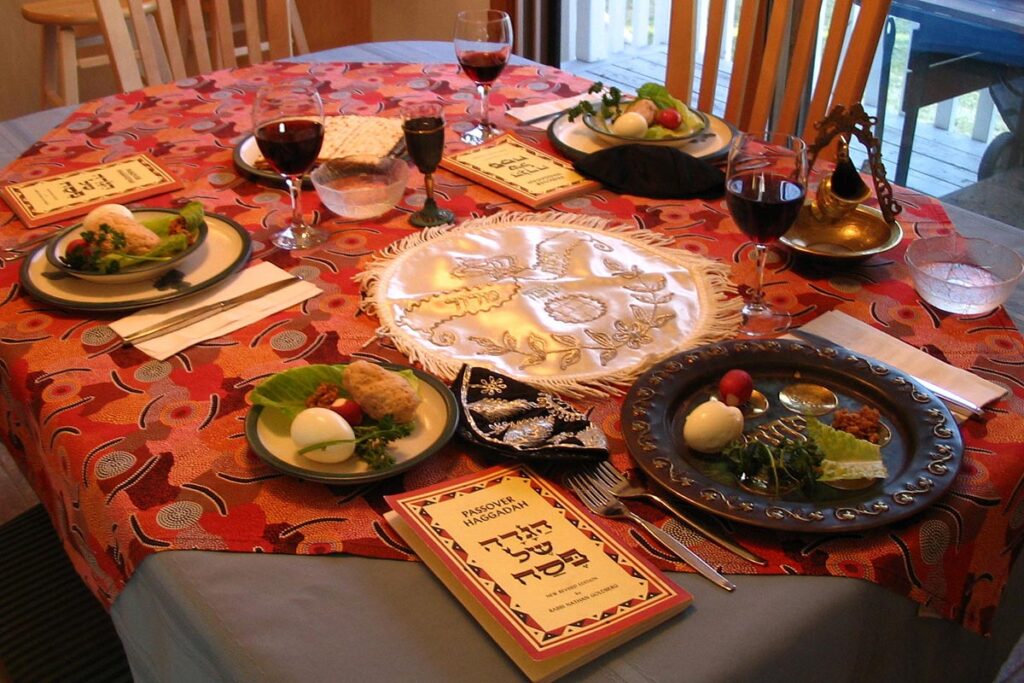
Seder prayer 2026
The following prayer by Rabbi Noam Marans was originally published at Times of Israel.
Amid this aspirational Feast of Freedom, redemption still awaits us. The pain of war continues unabated. Fulfilling the vision of Israel at peace with all its neighbors still eludes us. Soldiers and civilians — American, Israeli, and others — remain in harm’s way.
And yet, as we gather at the seder table, there is a moment of relief. Our hostages, dead and alive, have been returned to their families and to all of us who came to know them as brothers and sisters.
Like the Israelites who would not leave Egypt without retrieving Joseph’s bones, we were not free until the last of our dead were brought to burial in the Land of Israel.
We carry our Jewish values forward. The deliberately spilled droplets of wine during the recitation of the ten plagues expand our circle of human empathy. We remember the innocents of all peoples who have perished. All are created in the image of God.
We will not let the murderous antisemitism of Bondi, Washington, and Boulder determine who we are and need to be. In the words of the Haggadah, we thank God for transforming our despair into joy, our mourning into celebration, our darkness into light, our enslavement into freedom.
As we sit together, let us be mindful that we are not alone. We have friends in the world, like Shifrah and Puah of the Exodus story who saved Jewish lives and thwarted Pharaoh’s plans for us. Those who have stood with us deserve our gratitude and love.
“Od lo avda tikvateinu, l’hiyot am chofshi b’artzeinu.” Our hope is not lost, to be a free and safe people in our land, to be secure wherever we find ourselves in the world.
“Adonai oz l’amo yitein, Adonai y’vareikh et amo va’shalom.” God, give your people strength. God, bless your people with peace. Amen.
Acheinu (“Our brethren”), a prayer for our fellow Jews facing anguish and captivity
For all our family of the House of Israel, fellow Jews who face anguish and captivity, whether on sea or on land:
May the Divine have compassion upon them, and bring them from distress to relief, from darkness to light, from subjugation to redemption, now, speedily, soon, and let us say: Amen.
אַחֵינוּ כָּל בֵּית יִשְׂרָאֵל
הַנְּתוּנִים בַּצָּרָה וּבַשִּׁבְיָה
הָעוֹמְדִים בֵּין בַּיָּם וּבֵין בַּיַּבָּשָׁה
הַמָּקוֹם יְרַחֵם עֲלֵיהֶם
וְיוֹצִיאֵם מִצָּרָה לִרְוָחָה
וּמֵאֲפֵלָה לְאוֹרָה
וּמִשִּׁעְבּוּד לִגְאֻלָּה
הָשָׁתָא בַּעֲגָלָא וּבִזְמַן קָרִיב
וְאִמְרוּ אָמֵן
Aḥeinu kol beit yisrael, ha-n’tunim b’tzarah u-vashivyah, ha-omdim bein ba-yam u-vein ba-yabashah, ha-makom y’raḥeim aleihem, v’yotzi∙eim mi-tzarah
Prayer for Jewish communities in lands of oppression
(To be recited after “Ha Lachma Anya,” “This is the bread of affliction” at the beginning of the seder.) Originally published in My Jewish Learning
Behold this matzah, the symbol of our affliction but also of our liberty. As we look at it, let us remember our brethren everywhere who are in distress. On this festival of our freedom, may our hearts be turned to our brothers and sisters in Russia and in Arab lands who are not able to celebrate this Passover in the traditional, reclining attitude of free men. Rock of Israel, hasten the day when all of our brethren will know true freedom and in consort with the whole house of Israel give thanks to Thee for Thy wondrous deeds and Thy redemption. And may the redeemer come unto Zion. Amen.
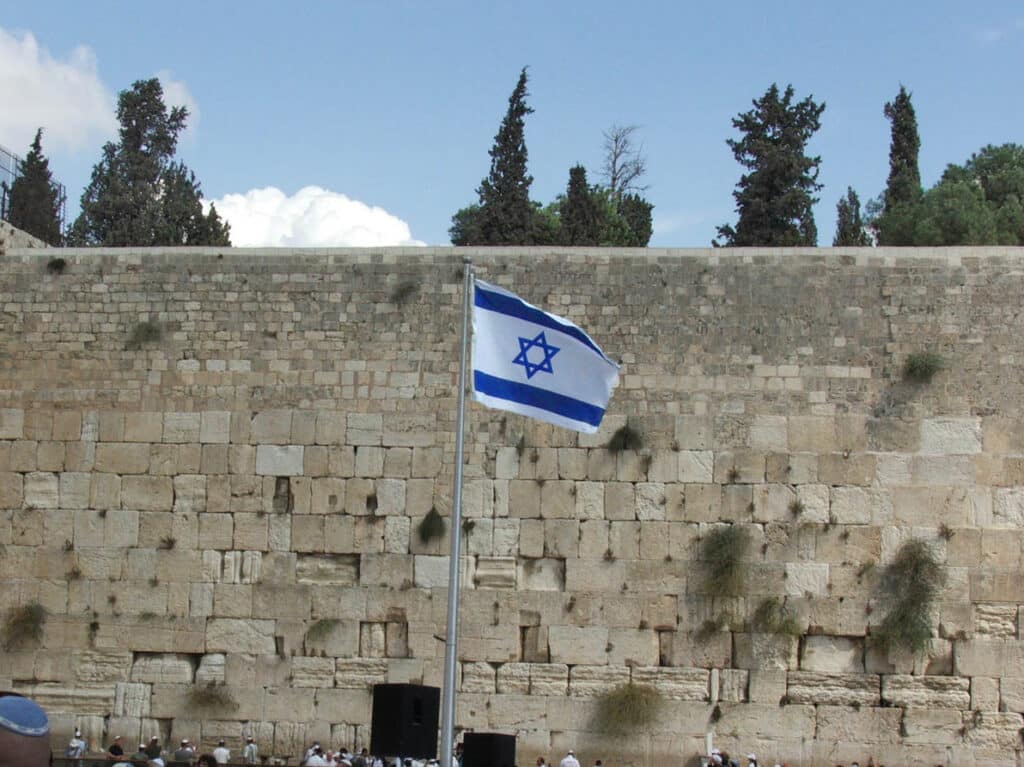
Prayer for the welfare of the State of Israel
Our Father who is in heaven, Protector and Redeemer of Israel, bless the State of Israel, the dawn of our deliverance. Shield it beneath the wings of Your love; spread over it Your canopy of peace; send Your light and Your truth to its leaders, officers, and counselors, and direct them with Your good counsel.
Strengthen the defenders of our Holy Land; grant them, our God, salvation and crown them with victory. Establish peace in the land, and everlasting joy for its inhabitants. Remember our brethren, the whole house of Israel, in all the lands of their dispersion. Speedily bring them to Zion, Your city, to Jerusalem Your dwelling-place, as it is written in the Torah of Your servant Moses:
“Even if you are dispersed in the uttermost parts of the world, from there the Lord your God will gather and fetch you. The Lord your God will bring you into the land which your ancestors possessed, and you shall possess it; and God will make you more prosperous and more numerous than your ancestors.”
Unite our hearts to love and revere Your name, and to observe all the precepts of Your Torah. Speedily send us Your righteous Messiah of the House of David, to redeem those waiting for Your salvation. Shine forth in Your glorious majesty over all the inhabitants of Your world. Let everything that breathes proclaim: “The Lord God of Israel is King; His majesty rules over all.” Amen. Selah.
אָבִינוּ שֶׁבַּשָּׁמַיִם, צוּר יִשְׂרָאֵל וְגוֹאֲלוֹ, בָּרֵךְ אֶת מְדִינַת יִשְׂרָאֵל, רֵאשִׁית צְמִיחַת גְּאֻלָּתֵנוּ. הָגֵן עָלֶיהָ בְּאֶבְרַת חַסְדֶּךָ, וּפְרֹשׁ עָלֶיהָ סֻכַּת שְׁלוֹמֶךָ, וּשְׁלַח אוֹרְךָ וַאֲמִתְּךָ לְרָאשֶׁיהָ, שָׂרֶיהָ וְיוֹעֲצֶיהָ, וְתַקְּנֵם בְּעֵצָה טוֹבָה מִלְּפָנֶיךָ. חַזֵּק אֶת יְדֵי מְגִנֵּי אֶרֶץ קָדְשֵׁנוּ, וְהַנְחִילֵם אֱלֹהֵינוּ יְשׁוּעָה וַעֲטֶרֶת נִצָּחוֹן תְּעַטְּרֵם, וְנָתַתָּ שָׁלוֹם בָּאָרֶץ וְשִׂמְחַת עוֹלָם לְיוֹשְׁבֶיהָ.
וְאֶת אַחֵינוּ כָּל בֵּית יִשְׂרָאֵל פְּקָד-נָא בְּכָל אַרְצוֹת פְּזוּרֵיהֶם, וְתוֹלִיכֵם מְהֵרָה קוֹמְמִיּוּת לְצִיּוֹן עִירֶךָ וְלִירוּשָׁלַיִם מִשְׁכַּן שְׁמֶךָ, כַּכָּתוּב בְּתוֹרַת משֶׁה עַבְדֶּךָ: “אִם יִהְיֶה נִדַּחֲךָ בִּקְצֵה הַשָּׁמַיִם, מִשָּׁם יְקַבֶּצְךָ ה’ אֱלֹהֶיךָ וּמִשָּׁם יִקָּחֶךָ. וֶהֱבִיאֲךָ ה’ אֱלֹהֶיךָ אֶל הָאָרֶץ אֲשֶׁר יָרְשׁוּ אֲבֹתֶיךָ וִירִשְׁתָּהּ, וְהֵיטִבְךָ וְהִרְבְּךָ מֵאֲבֹתֶיךָ” (דברים ל, ד-ה).
וְיַחֵד לְבָבֵנוּ לְאַהֲבָה וּלְיִרְאָה אֶת שְׁמֶךָ, וְלִשְׁמֹר אֶת כָּל דִּבְרֵי תּוֹרָתֶךָ. וּשְׁלַח לָנוּ מְהֵרָה בֶּן דָּוִד מְשִׁיחַ צִדְקֶךָ, לִפְדּות מְחַכֵּי קֵץ יְשׁוּעָתֶךָ. הוֹפַע בַּהֲדַר גְּאוֹן עֻזֶּךָ עַל כָּל יוֹשְׁבֵי תֵּבֵל אַרְצֶךָ, וְיֹאמַר כֹּל אֲשֶׁר נְשָׁמָה בְּאַפּוֹ: “ה’ אֱלֹהֵי יִשְׂרָאֵל מֶלֶךְ, וּמַלְכוּתו בַּכּל מָשָׁלָה”. אָמֵן סֶלָה.
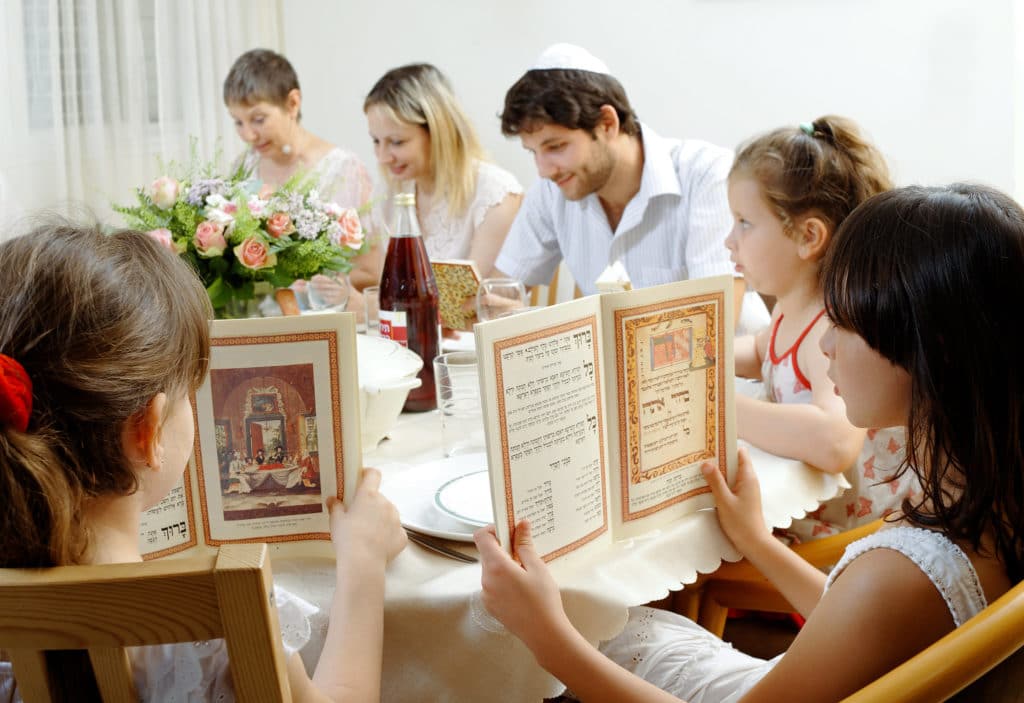
AJC’s “A prayer for this different seder”
The following prayer by Rabbi Noam Marans was originally published at AJC.
Mah nishtanah? Why is this seder different from all other seders? Because at this seder, the deadliest day for the Jewish people since the Holocaust remains a fresh, open wound which continues to bleed. The October 7 massacre in Israel, indelibly seared in our hearts and minds.
Loved ones are sorely missed yet painfully remembered as their seats at the seder table remain empty.
The hostages of diverse faiths and nationalities, men, women, and children, dead or clinging to life, linger in brutal, inhumane captivity.
The innocents, Israelis and Palestinians, Jews, Christians, and Muslims, are too many victims to bear.
And more, an ominous worldwide resurgence of antisemitism, instilling in Jews a vulnerability few thought they would ever experience in their lifetimes.
Vehi she’amdah: In every generation there are those who seek our destruction, but the Holy One delivers us from their hands.
Anu tefillah, we pray. We pray for the victims of horrific terrorism and their families whose lives have been shattered.
We pray for the hostages and their loved ones, who continue to live through unending horror.
We pray for the innocents who are victim to the war, human beings created in the image of God, the dead, the injured, the hungry, and the displaced.
We pray for the soldiers in harm’s way, the wounded, and the maimed. May they return safely to the warm embrace of their closest ones.
We pray for the purveyors and deliverers of humanitarian aid who endeavor to do what is right and needed.
We pray for the peacemakers. May they bring shalom to all.
We pray for the world to wake up and say: there is no place for antisemitism in our society. Confronting all forms of hate is everyone’s responsibility.
Shirah chadashah: Let us sing to God a new song, a hymn that longs to extol our deliverance from despair to joy, from mourning to celebration, from darkness to light, from enslavement to redemption, from war to peace.
“Prayer of the Mothers”
By Rabbi Tamar Elad Appelbaum and Sheikha Ibtisam Mahamid (translated by Rabbi Amichai Lau Lavi)
God of Life
Who heals the broken hearted and binds up their wounds
May it be your will to hear the prayer of mothers
For you did not create us to kill each other
Nor to live in fear, anger or hatred in your world
But rather you have created us so we can grant permission to one another to sanctify Your name of Life, your name of Peace in this world.
For these things I weep, my eye, my eye runs down with water
For our children crying at nights,
For parents holding their children with despair and darkness in their hearts For a gate that is closing and who will open it while day has not yet dawned.
And with my tears and prayers which I pray
And with the tears of all women who deeply feel the pain of these difficult days I raise my hands to you please God have mercy on us
Hear our voice that we shall not despair
That we shall see life in each other,
That we shall have mercy for each other,
That we shall have pity on each other,
That we shall hope for each other
And we shall write our lives in the book of Life
For your sake God of Life
Let us choose Life.
For you are Peace, your world is Peace and all that is yours is Peace, And so shall be your will and let us say Amen
“Baraye”
Iranian protest song by Shervin Hajipour
For a dance in the alley;
For breaking the taboo of kissing in public;
For our sisters, mine and yours;
For a change in the minds of the fanatics;
For parents shame for empty pockets;
For the longing for a normal life;
For the dreams of the dumpster kids;
For this command economy;
For this polluted air;
For the dying Tehran’s landmark trees;
For Pirouz (the Persian cheetah) about to go extinct;
For the unjustly banned street dogs,
For these non-stop tears;
For the loss of the downed passengers;
For the faces that smile no more;
For the school kids, for the future;
For this forced road to paradise;
For the jailed beautiful minds;
For the neglected Afghan refugee kids;
For this list that goes on and on;
For these meaningless hostile chants;
For the rubbles of the bribe-built houses;
For feeling peace of mind;
For the rise of sun after long-lasting nights;
For the tranquilizers and insomnia;
For man, homeland, prosperity;
For the girl who wished she was a boy;
For woman, life, freedom.
“A prayer for peace”
By Rabbi Nachman of Breslov (translated by Rabbi Deborah Silver)
May it be Your will,
Holy One, our God, our ancestors’ God,
that you erase war and bloodshed from the world
and in its place draw down
a great and glorious peace
so that nation shall not lift up sword against nation
neither shall they learn war any more.
Rather, may all the inhabitants of the earth
recognize and deeply know
this great truth:
that we have not come into this world
for strife and division
nor for hatred and rage,
nor provocation and bloodshed.
We have come here only
to encounter You,
eternally blessed One.
And so,
we ask your compassion upon us;
raise up, by us, what is written:
I shall place peace upon the earth
and you shall lie down safe and undisturbed
and I shall banish evil beasts from the earth
and the sword shall not pass through your land.
but let justice come in waves like water
and righteousness flow like a river,
for the earth shall be full
of the knowledge of the Holy One
as the waters cover the sea.
So may it be.
And we say:
Amen.
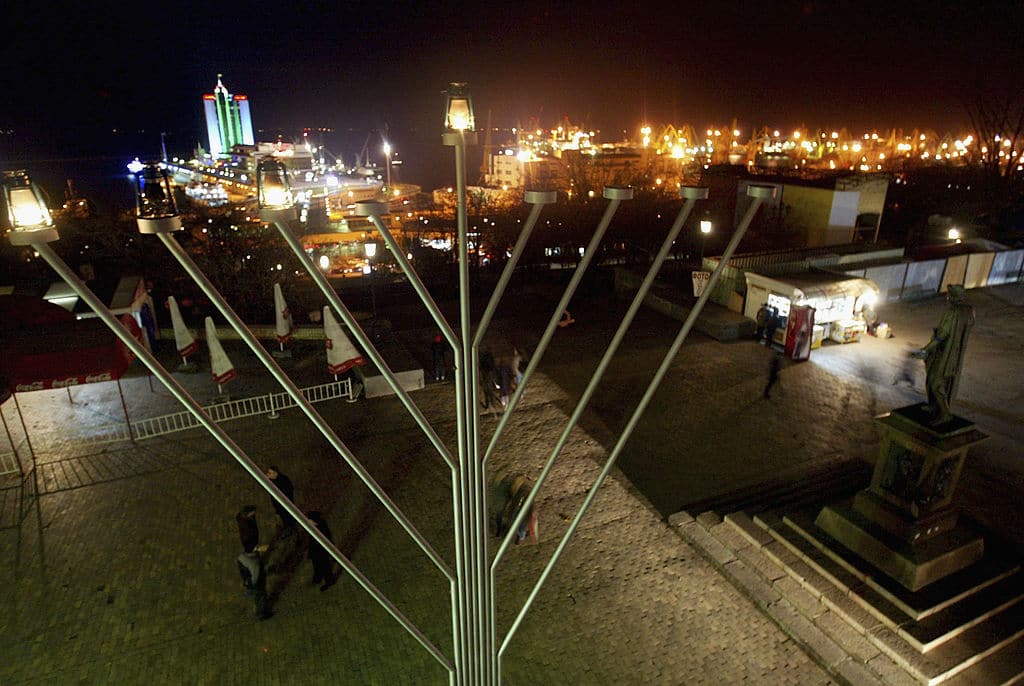
“JDC Ukraine”
By Eric Lieberman
This is not only the bread of our affliction, but also the lechem oni, the bread of those in dire need.
It’s called that because of its purposeful lack of ingredients — only unleavened flour and water, nothing to make it rise, and it must be baked in haste — the food of those with nothing, those who’ve left everything, in desperate need of a miracle.
It is the bread we took with us when we rushed out of Egypt to pursue our destiny and our peoplehood — to pursue life.
Our Jewish family in Ukraine and those who are fleeing the country share in a single concern — life. A life of safety, of freedom, and of opportunity for better days.
As we hold them close to our hearts tonight, and remember them here at our seder tables, let us do all we can to support and comfort them — in cities under bombardment and at the borders swelling with their numbers — and to build a future whose course we shape with every act of kindness.
We do this because all Jews are responsible for one another, embodying the mighty hand and outstretched arm that has delivered our people throughout time.
“Blessing in support of the world’s refugees”
By Emilia Diamant
Gathered around the Seder table, we pour four cups, remembering the gift of freedom that our ancestors received centuries ago. We delight in our liberation from Pharaoh’s oppression.
We drink four cups for four promises fulfilled.
The first cup as God said, “I will free you from the labors of the Egyptians.”
The second as God said, “And I will deliver you from their bondage.”
The third as God said, “I will redeem you with an outstretched arm and with great judgments.”
The fourth because God said, “I will take you to be My People.”
We know, though, that all are not yet free. As we welcome Elijah the Prophet into our homes, we offer a fifth cup, a cup not yet consumed.
A fifth cup for the 60 million refugees and displaced people around the world still waiting to be free — from the refugee camps in Chad to the cities and towns of Ukraine, for the Syrian refugees still waiting to be delivered from the hands of tyrants, for the thousands of asylum seekers in the United States still waiting in detention for redemption to come, for all those who yearn to be taken in not as strangers but as fellow human beings.
This Passover, let us walk in the footsteps of the One who delivered us from bondage. When we rise from our Seder tables, may we be emboldened to take action on behalf of the world’s refugees, hastening Elijah’s arrival as we speak out on behalf of those who are not yet free.
Prayer for Israel’s present and future
by Rabbi Daniel Raphael Silverstein, originally published in Ritualwell
May we remember that our faces are mirrors of each other, our fears are mirrors of each other’s, our hopes are mirrors of each other’s, and all of our children will inherit everything we are.
May we remember our shared past, our shared ancestors, our shared heritage, our shared grief at the destruction of our home twice before, our shared journeys through millennia of exile, our shared pride in who we are and all that we have achieved, wherever we found ourselves, and now here.
May we remember that our being here is something no human can explain or understand.
May we remember that we are responsible to those who came before us and those who come after us.
May we remember that it is very, very easy to destroy, but infinitely harder to build.
May we remember that there is no future for any of us without all of us.
The fifth cup: In the memory of the six million
(To be read when the door is opened for Elijah). Originally published in My Jewish Learning
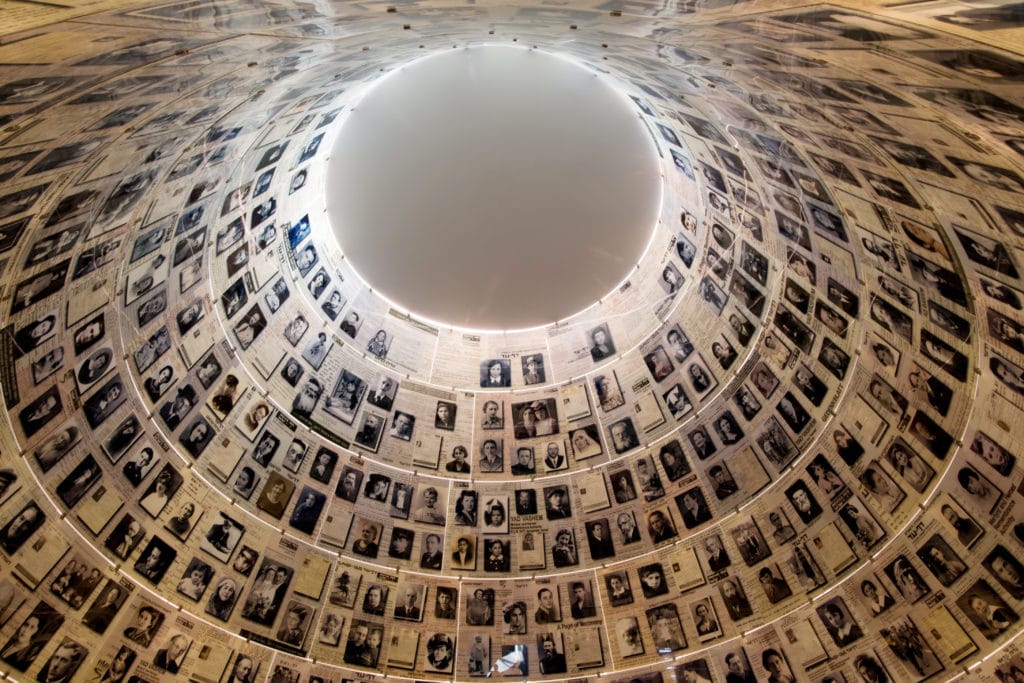
On this night of the seder we remember with reverence and love the six million of our people of the European exile who perished at the hand of a tyrant more wicked that Pharaoh who enslaved our fathers in Egypt. Come, said he to his minions, let us cut them off from being a people, that the name of Israel may be remembered no more. And they slew the blameless and pure, men and women and little ones, with vapors of poison and burned them with fire. But we abstain from dwelling the deeds of evil ones lest we defame the image of God in which man was created.
Now, the remnants of our people who were left in the ghettos and camps of annihilation rose up against the wicked ones for the sanctification of the Name and slew many of them before they died. On the first day of Passover the remnants in the Ghetto for Warsaw rose up against the adversary, even as in the days of Judah the Maccabee. They were lovely and pleasant in their lives and in their death they were not divided. They brought redemption to the name of Israel throughout all the world. And from the depths of their affliction, the martyrs lifted their voices in a song of faith in the coming of the Messiah, when justice and brotherhood will reign among men.
“Ani ma-amin be-emuna sh’layma b’viat ha-mashiach;
V’afal pee she-yit-may-mayah im kol ze ani ma-amin.”
(I believe with perfect faith in the coming of the Messiah;
and, though he tarry, nonetheless I believe.”)
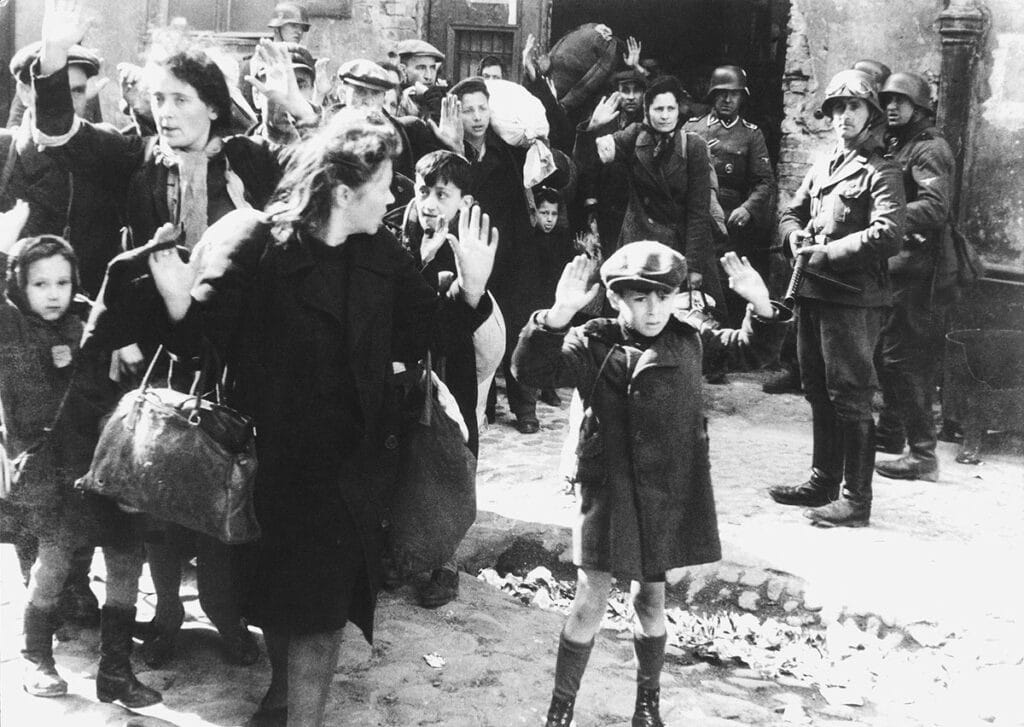
It is the Month of Nissan in the Warsaw Ghetto
By Binem Heller
In the Warsaw Ghetto is now the month of Nisn
Over goblets of borscht and matzos from bran
The people again sing of the miracles of old
How the Jewish People came out of Egypt
How old is the story? How old is the melody?
But now, behind shrouded windows, the seder takes place
And truth and lies are so interwoven
it’s hard to tell one from the other
“Kol dichfin, let all who are hungry . . . ”
The doors and windows are covered
“Kol dichfin, let all who are hungry . . . ”
Asleep from hunger, the little ones
Kol dichfin, let all who are hungry . . . ”
By empty Pesach dishes
“Kol dichfin, let all who are hungry . . . ”
The old blind men are weeping
In the Warsaw Ghetto is now the month of Nissan
And one could think that the figures here piously swaying
are Marranos hiding from the outside world.
No!
The remnants of the Jewish PeopleOf the “sixty ten thousands” that Moses
led out of Egypt has been driven into the ghettos.
Where dying’s permitted — but protest is not from Holland. From Belgium.
From France. From Poland.
Here sit the last of them weeping.
Here sit the last of them plundered and naked.
From 50 families remains only one.
In the Warsaw Ghetto is now the month of Nisan.
There’s Volinska Street. The crooked attic roof.
My mama has guests?
For the seder, from Brussels . . .
Her son and grandchildren have come.
From what can she prepare a seder?
Who could have counted on that so unexpectedly?
Accompanied by “angels”
with axes and crosses
They came to be slaughtered!
The table is set and the goblets are standing
Prepared for “selected” souls
But the children are begging for bread, in French.
And not one of them will ask “The four Questions”
In the Warsaw Ghetto is now the month of Nisan.
My mama puts a smile on her face.
Her lips which are bitten from hunger
Are transformed by the holiday.
Milder, softer.
Her eyes begin to shine again
Just as they did long ago in bygone times.
In her eyes the raisin wine is brimming
From long-forgotten distant Seders.
Suddenly her eyes widen in terrified surprise
Astonished, she stretches out her hands,
her pious hands.
Instead of starting the seder with Kiddush
Her son begins intoning:
“Pour out your wrath! . . .”
In the Warsaw Ghetto is now the month of Nissan.
The cup of Elijah stands full
But who has come here to disrupt this seder?
The angel of death has come to drink!
As always, German — the language of giving commands.
As always — the language of barking orders!
As always — they have come to round up
The Jewish People to slaughter
No more will the ghetto stand for the taunts of the Nazis
As they bring a world of destruction.
With blood we will smear the doorposts!
With blood from the Germans!
With blood from the rapists!
In the Warsaw Ghetto is now the month of Nissan
From neighbor to neighbor
the word will be passed
German blood will not stop flowing!
As long as one Jew in the ghetto still lives!
In their eyes will be no submission.
In their eyes there will be no more tears.
Only hatred and determination
And the fierce joy of resistance!
From their transformation!
Listen! How in the night the shots resound!
Listen! How death hunts the Nazis in their tracks!
Listen! We’ve come to the end of the story!
With heroic self-sacrifice on the first night of Leil HaShimurim [the Night of Watching, Pesach]

AJC’s “A Passover Prayer in Troubled Times”
The following prayer by Rabbi Noam Marans was originally published at AJC.
On this Passover, even as we hope that the worst of the pandemic is behind us, Ukraine is being brutalized by a Pharaoh-like despot who cares not for human life, and Israel is experiencing a deadly wave of terrorism. We are sitting at our Seder tables in freedom, but we are not fully free as long as our Israeli brothers and sisters are under attack, as long as our fellow human beings in Ukraine are being driven from their homes and land as refugees.
Passover tells the story of our moment: good prevailing over evil, courage defeating power, right overcoming wrong, peoplehood and solidarity emerging from crisis. Slavery, Exodus, Torah are the legacies commanding us to care for all those in need. “Let all who are in need come and celebrate Passover” with us, the Haggadah tells us. Be they Ukrainians experiencing the horrors of a senseless war, Israelis who are unable to live normal lives without fear, or any in our world who need our outstretched hand, let all who are in need come and celebrate freedom with us.
We pray for the dead. May their memory be for a blessing. Some died as martyrs. Some died as heroes, defending their fellow human beings, their diverse fellow citizens, united by the Divine within each one of us. Other heroes died as they protected their homeland. Yet others died as they simply tried to live their lives or tried to flee. A world is destroyed with each who perishes.
We pray for the mourners. Their lives have been irreparably shattered. May they find the strength to carry on.
We pray for the injured, the frightened, the hungry, the homeless, the separated, the refugees. May they be made whole.
Even as antisemitism reasserts itself as an ugly and deadly force, we are grateful that we live in an age when the State of Israel has transformed Jewish history, when Jews can defend themselves, when Jews always have a place to go. Our scattered people have been gathered from the ends of the earth. They have been led with song to Zion, Your city, with everlasting joy to Jerusalem.
We are not powerless. We are empowered. We have helped and will continue to help the people of Ukraine. We have stood by and will continue to stand by the people of Israel.
Even as our hearts are heavy, we are filled with thanksgiving. We pray the words of the Haggadah and trust that once again God will lead us “from slavery to freedom, from despair to joy, from mourning to celebration, from darkness to light, from servitude to redemption.” Amen.
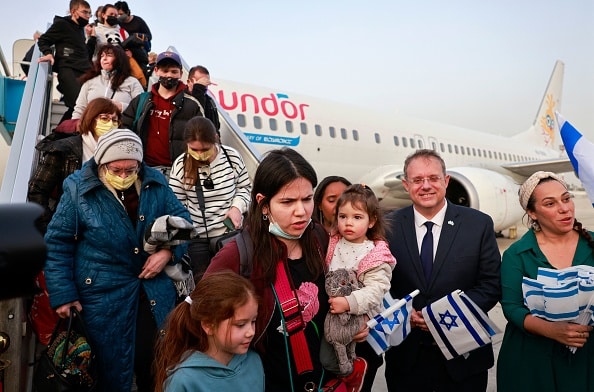
“A prayer for peace in Ukraine and beyond”
By Rabbi Rachel Sabath Beit-Halachmi
We come before you, Adonai, praying for peace.
A new war has begun, and hundreds of innocent people are dying…
We pray for the strength and courage of the few
faced with the ruthless power of the many.
We stand together with our brothers and sisters in the Ukraine,
the birthplace of so many of our ancestors,
a place where the Jewish people has known both light and darkness.
We pray for a quick end to the raging conflict and the senseless bloodshed.
May our people remember that wherever a Jew is in danger or hurt,
we all feel that danger and pain as well.
As they seek cover from the life-threatening missiles
and fire falling from the sky, as they help the elderly
and hug their children tightly, and defend their homeland,
we pray that they can maintain hope that a Sukkat Shalom—
a canopy of blessing and peace—
will soon emerge above them.
May all the innocent people in the Ukraine and throughout the region
know that we are with them. Even from afar, we hear their cries.
May they know that we will continue to advocate for peace among nations
and that we will strengthen our commitment to aid and protect
every human being.
May the Source of All Life protect all of humanity from violence.
May the Source of Peace bring wisdom to their leaders
and bring a sense of tranquility, shalvah, to the people of the region
and peace to all who are endangered.


Amen.
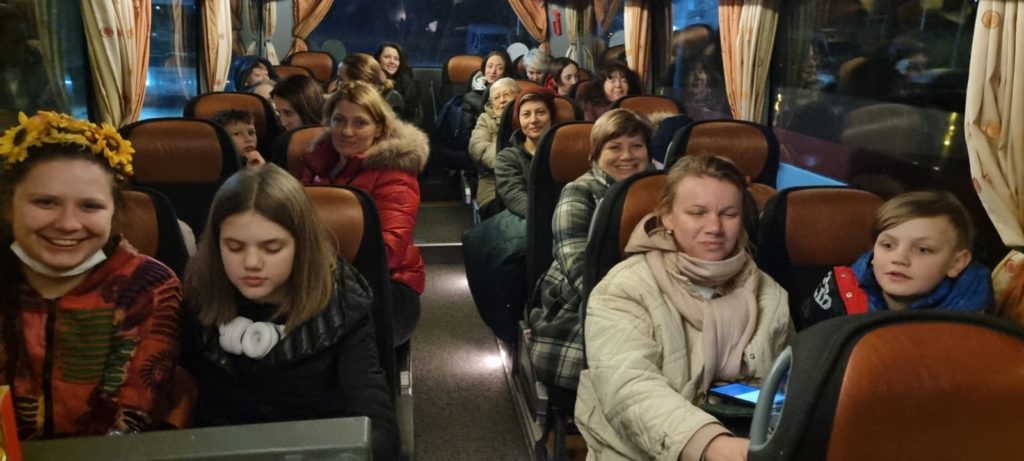
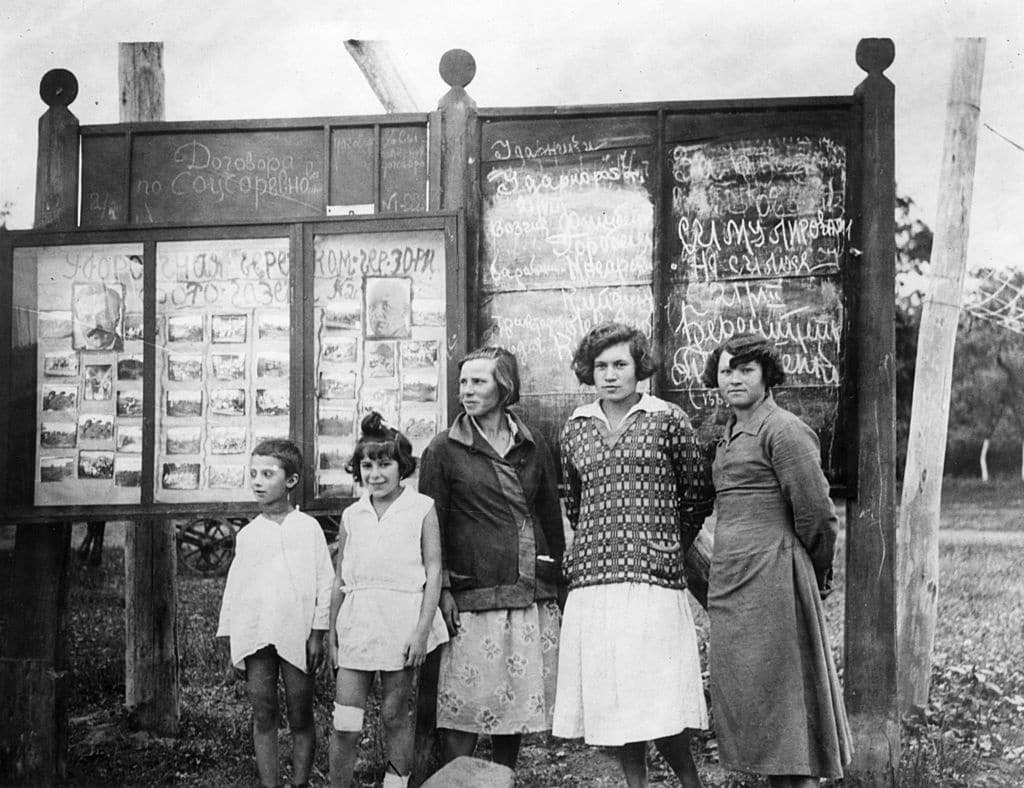
“Winter is over: Ukrainian schoolchild’s poem” (1920)
by Daniel Prakhabmek
Winter is over, the cold is gone,
The universe is filled with joy.
The southerly winds slowly blow
Repairing a gloomy soul.
Young sun, spring sun,
Shining in the sky,
Casting a wealth of light on the Earth,
Blinding eyes.
The naked trees,
Are awakened again,
The noisy city,
Dons a new face.
Everything is joyful, alive, and glowing,
The spirit of spring washes over all
Happy are the tall buildings,
Crowned by high mountains.
Still, there remains a glassy film of ice,
Over the swamps, over the streams,
Still, the trees are bare,
The leaves not yet budded.
The birds not yet returned,
Singing their joyful songs,
But spring is already felt,
In every corner and square.
The sky has changed
The sea foam is different,
And spring is already seeping,
Into the depths of the soul.
This is not the world,
This is not as the heights of Creation,
Everything is alive, fresh, happy
Everything returns to life!