Tzvi Joffre is a journalist and sometimes sofer based in central Israel. He worked for a number of years as a breaking news editor at The Jerusalem Post and is studying political science and Middle Eastern studies at Bar-Ilan University.
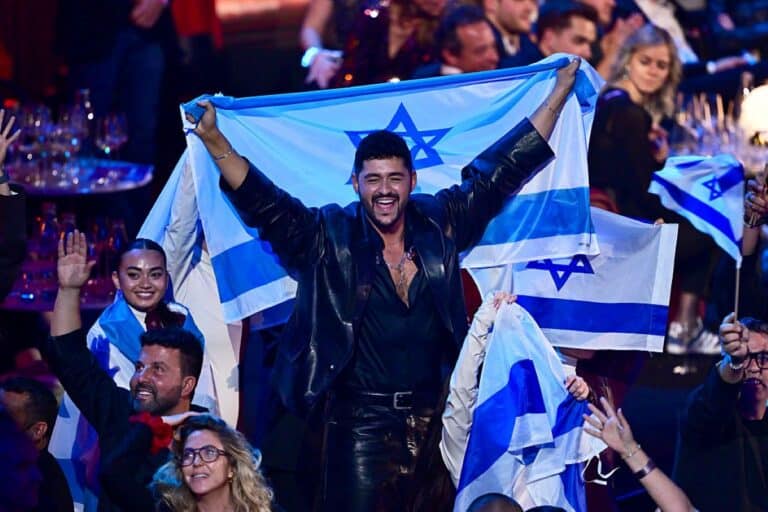
During the announcement of the results, more vocal boos were heard after Israel took the lead, although much of the crowd countered with cheers and chants of “Israel! Israel!”
Critics of the piece argued that the article was based on flawed sources, made impossible claims, and turned an, at most, isolated phenomenon into a claim of systematic abuse.
British Chief Rabbi Sir Ephraim Mervis warned that the latest attack proves that “if you are visibly Jewish, you’re not safe, and far more needs to be done.”
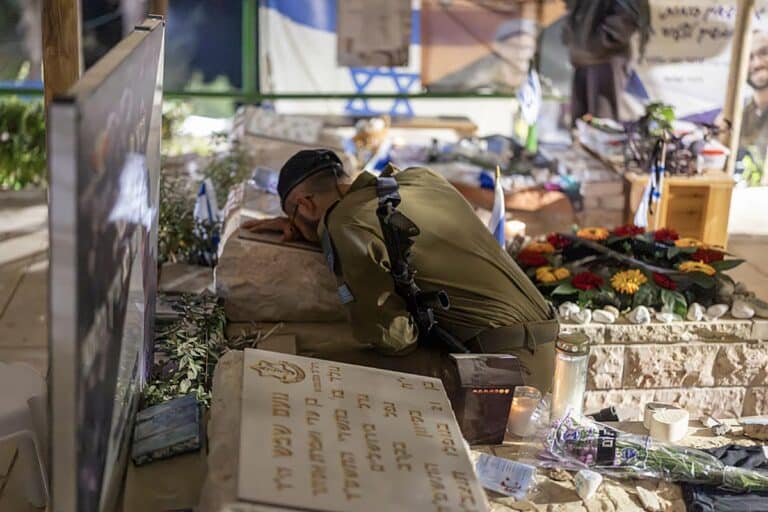
Beyond the question of celebrations or ceremonies, Israelis are also dealing with the complicated feelings of trying to return to routine after years of war and amid the clouds of uncertainty still in the air.
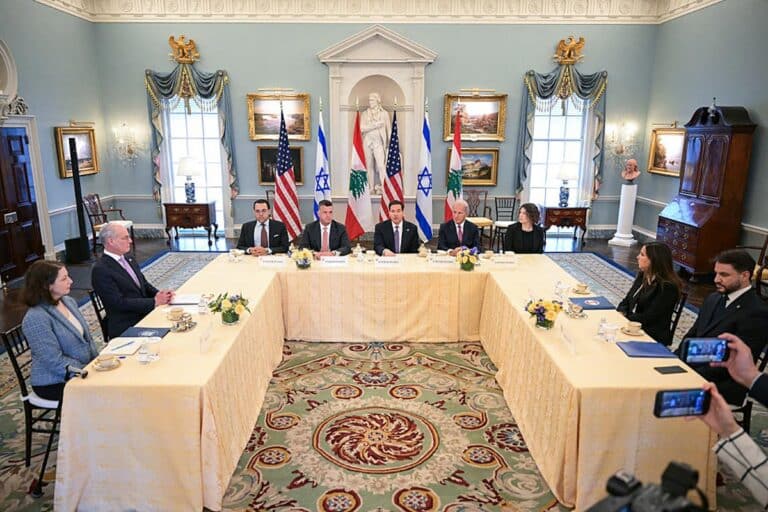
Many Israeli officials, including members of the governing coalition and mayors from northern Israel, expressed outrage over the ceasefire agreement and the fact it was announced by the U.S. before any statement from Israel.
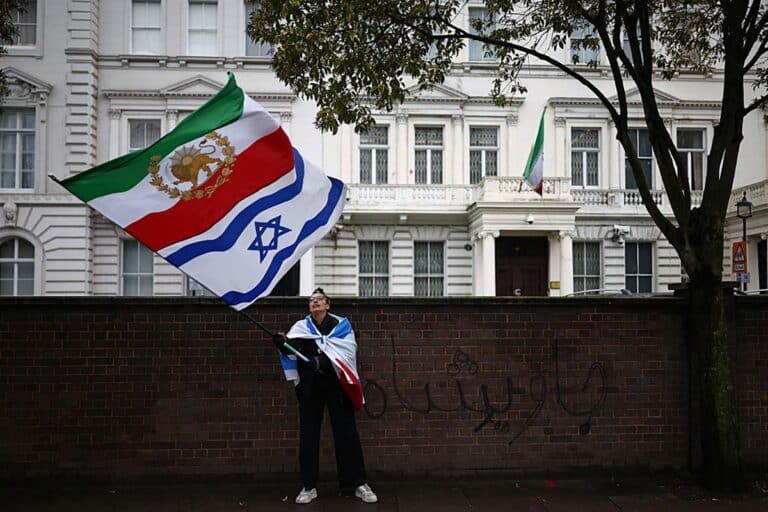
If the regime is overthrown, could Israel and Iran once again be friends? It may sound absurd, but so did the idea 50 years ago that the two countries would one day be at war.