Tzvi Joffre is a journalist and sometimes sofer based in central Israel. He worked for a number of years as a breaking news editor at The Jerusalem Post and is studying political science and Middle Eastern studies at Bar-Ilan University.
The archaeologists also discovered that during the period when the Persians ruled the area and the Jews returned after the first exile, the returning residents built around the site and blocked off this area, preserving the destruction as it was.
The cave remained sealed for hundreds of thousands of years, preserving a remarkable record of life of an early human toolmaking culture that lived in modern-day Israel, Lebanon, and Syria.
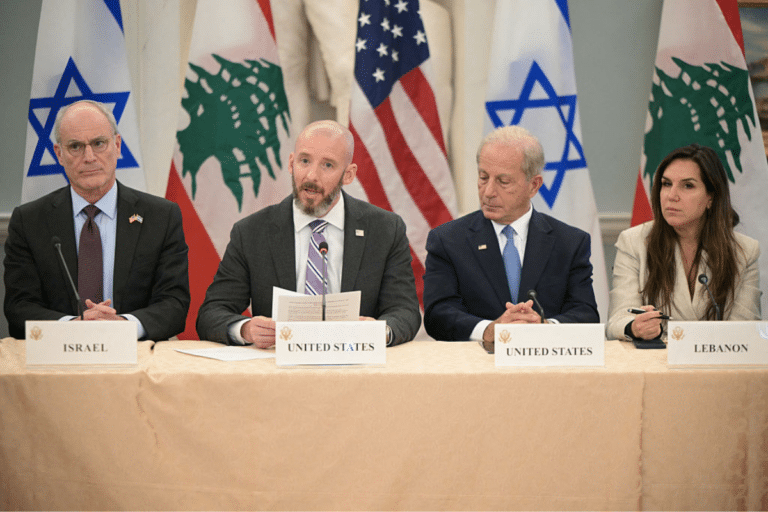
The memorandum is meant to stabilize the ceasefire, but it is temporary, with a roughly 60-day window for negotiating the toughest questions that have prevented a deal up until now.
The Memorandum of Understanding is intended to stabilize the ceasefire, but it is still a temporary agreement only expected to remain in effect for about 60 days.
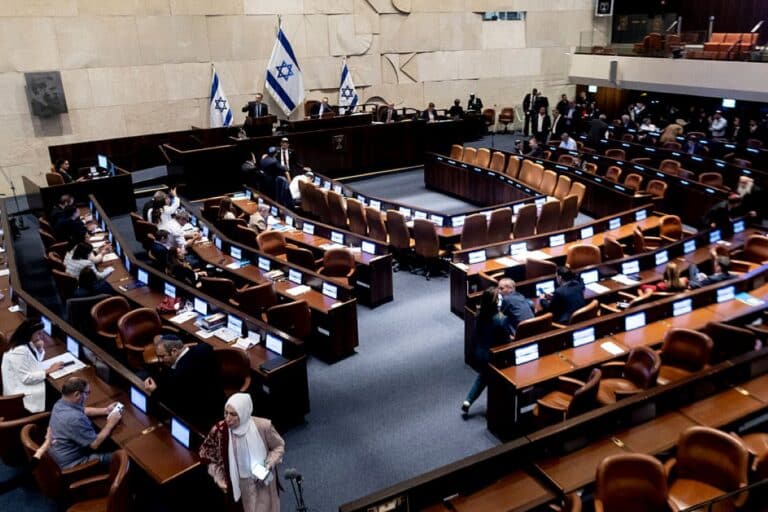
Since last June, the government has attempted to promote a bill concerning military conscription that the Haredi parties had approved, but failed to secure sufficient support among members of the ruling coalition.
Subscribe to
This Week Unpacked
Each week we bring you a wrap-up of all the best stories from Unpacked. Stay in the know and feel smarter about all things Jewish.