
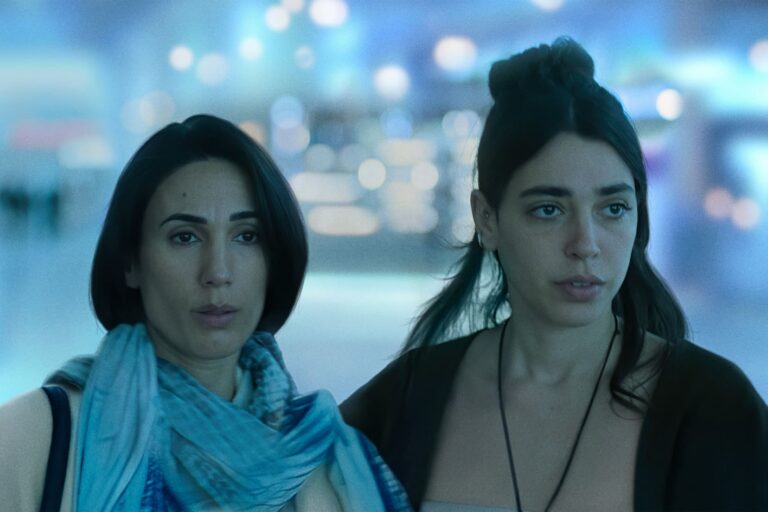
How well can a mother really know her daughter?
That’s the central question at the heart of the gripping new Apple TV+ thriller “Unconditional.”
After a vacation in India, Orna Levy and her 23-year-old daughter, Gali (Talia Lynn Ronn), are preparing to return home to Israel after a layover in Russia. Then everything falls apart. Gali is arrested at the airport, and authorities claim they found drugs in her luggage. Orna is stunned. She refuses to believe her daughter is involved in drug trafficking and becomes convinced that a terrible mistake has been made.
A lawyer urges her to consider a plea deal, warning that Russian courts rarely show mercy. But Orna is certain her daughter is innocent and throws herself into a desperate fight to secure her release.
Things May Not Be as They Seem
As Orna digs deeper, troubling details begin to emerge. She learns that Gali may have been involved with a dangerous boyfriend and connected to a secret intelligence unit. Suddenly, the daughter she thought she knew seems far more mysterious.
Complicating matters is Orna’s personal life. Her husband, Benny, 53, is living with early-onset Alzheimer’s disease and can offer little support. Meanwhile, Orna is carrying her own secrets, including a relationship with another man. Adding to her torment are relentless scam calls from people pretending to hold Gali captive and demanding ransom. Yet she keeps answering, clinging to the hope that one day it might actually be her daughter on the line.
The series succeeds largely because of Liraz Chamami‘s outstanding performance as Orna. Fiercely determined and endlessly resourceful, Orna is willing to risk everything for her child, even if it means putting herself in danger. Chamami, who many viewers may recognize from her comedic turn in “Happy Times” alongside Michael Aloni, delivers a dramatic performance filled with urgency and heartbreak.
One particularly powerful courtroom scene captures Orna’s anguish when she finally catches a glimpse of Gali and learns prosecutors are seeking an 18-year prison sentence.
“The moment there’s a verdict, it will be almost impossible to overturn,” her lawyer warns.
The Clock Is Ticking
Created by Adam Bizanski and Dana Idisis, “Unconditional” maintains a steady sense of tension without resorting to excessive melodrama.

Government officials advise Orna not to speak publicly about the case, fearing it could make matters worse. She ignores them and agrees to a television interview, only to discover that media attention can be as dangerous as it is helpful.
As new information surfaces, Orna is forced to confront an increasingly painful possibility: What if the truth about her daughter shatters everything she believes about her family? Beneath the thriller elements lies a quieter emotional story about parental guilt and the fear that those closest to us may still be strangers.
A Mystery Built Around a Major Twist
Director Jonathan Gurfinkel gives the series an unsettling atmosphere where no character is entirely trustworthy.
When Orna begins asking questions about a mysterious man named Maoz, she quickly attracts unwanted attention. Threats follow, but she refuses to back down. Her investigation uncovers disturbing connections, including a photograph showing Gali with a distinctive tattoo matching one worn by a man who later intimidates her.
As Gali, Tali Lynne Ronn strikes an effective balance. She appears mostly ordinary, yet there’s always a hint that she may be hiding something important.

Orna is repeatedly warned to stop digging before she ends up “in a ravine,” but she presses forward anyway. Even as posters reading “Bring Gali Home” appear, witnesses begin telling her things about her daughter that she desperately does not want to believe.
One reveal in the third episode feels somewhat predictable, but most of the show’s twists land effectively. The series carefully builds toward a major revelation, and viewers will likely find themselves speculating about what is really going on until the very end.
Inspired by Real Events
While “Unconditional” tells a fictional story, it draws on situations that have played out in real life.
Among the most famous examples is WNBA star Brittney Griner, who spent ten months imprisoned in Russia after being arrested on drug charges that many critics viewed as politically motivated.
The series also echoes the case of Naama Issachar, who was detained during a Moscow airport layover and sentenced to more than seven years in prison after authorities found a small amount of marijuana in her luggage.
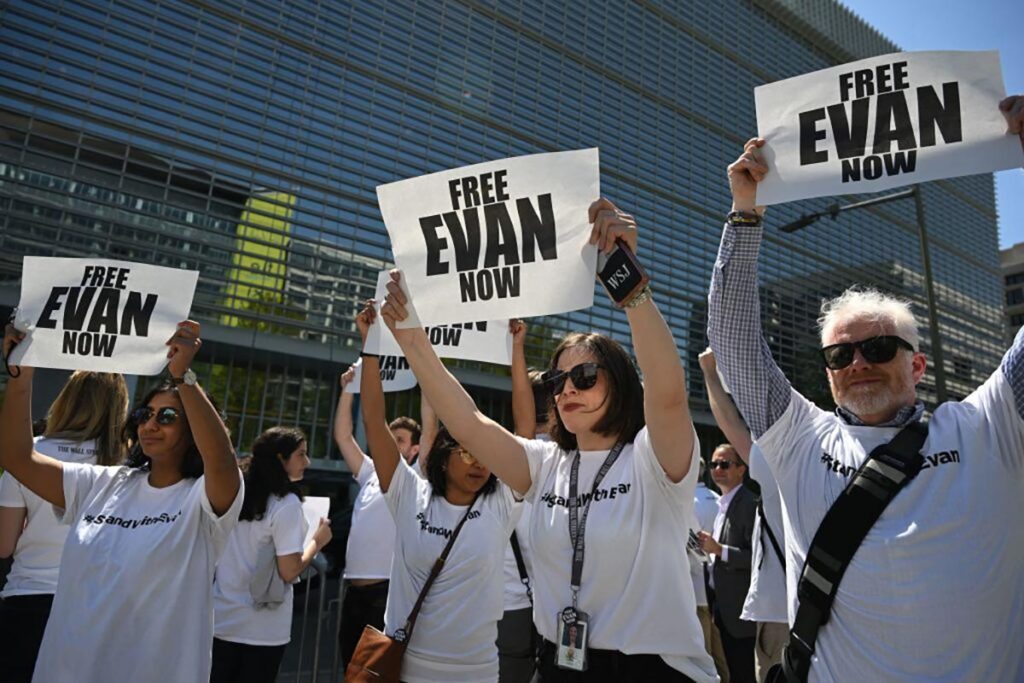
Journalist Evan Gershkovich likewise spent more than a year imprisoned in Russia on espionage charges widely viewed as false before eventually being released.
Controversy Misses the Point
Some social media critics have accused the series of serving as Israeli propaganda because it includes scenes showing Gali in her Israel Defense Forces uniform.
That criticism feels misplaced. The show is far less interested in promoting Israel than in exploring uncertainty, family loyalty, and the lengths a parent will go to protect a child. If anything, it presents a morally complicated world where institutions, governments, and individuals all make questionable decisions.
It’s possible Apple TV+ hoped to attract fans of its successful Israeli espionage drama “Tehran,” but “Unconditional” ultimately feels like a very different show. Rather than focusing on action and geopolitics, it centers on one woman’s increasingly desperate search for answers.
Final Verdict
Orna experiences both triumphs and devastating setbacks throughout the series. At one point, she cleverly leverages political attention to raise funds for her campaign. At another, she receives the phone call she has spent months hoping for but never truly expected.
“Unconditional” doesn’t feature a sprawling cast or elaborate action sequences. Its greatest strength is Chamami, whose performance keeps viewers emotionally invested even when the plot occasionally slows down.
Despite some pacing issues, “Unconditional” is an engrossing thriller that combines mystery, family drama, and emotional stakes. By the end, viewers may find themselves asking the same question that haunts Orna from the beginning:
How well can we ever really know the people we love most?