

Yom Kippur is the holiest and most solemn day of the Jewish year and is a fast day. Fasting is not a sign of mourning (like some other Jewish fasts), but rather a chance to focus on the spirit, on introspection, and on atonement. According to tradition, at the end of Yom Kippur, God decides whether we will be inscribed in the Book of Life and “seals” our fates for the coming year.
There are a number of different Yom Kippur customs and traditions observed by Jewish communities around the world.
To learn more about Yom Kippur traditions, check out our 2025 holiday guide.
Leather-free shoes
Most communities uphold the custom of not wearing leather shoes on Yom Kippur. Leather shoes were historically considered luxury apparel. So, keeping with the humble spirit of Yom Kippur, Jewish tradition recommends avoiding leather shoes to demonstrate a willingness to forego luxury. In order to avoid leather footwear, many wear canvas sneakers, flip flops, Crocs, or wedge sandals.
White clothes
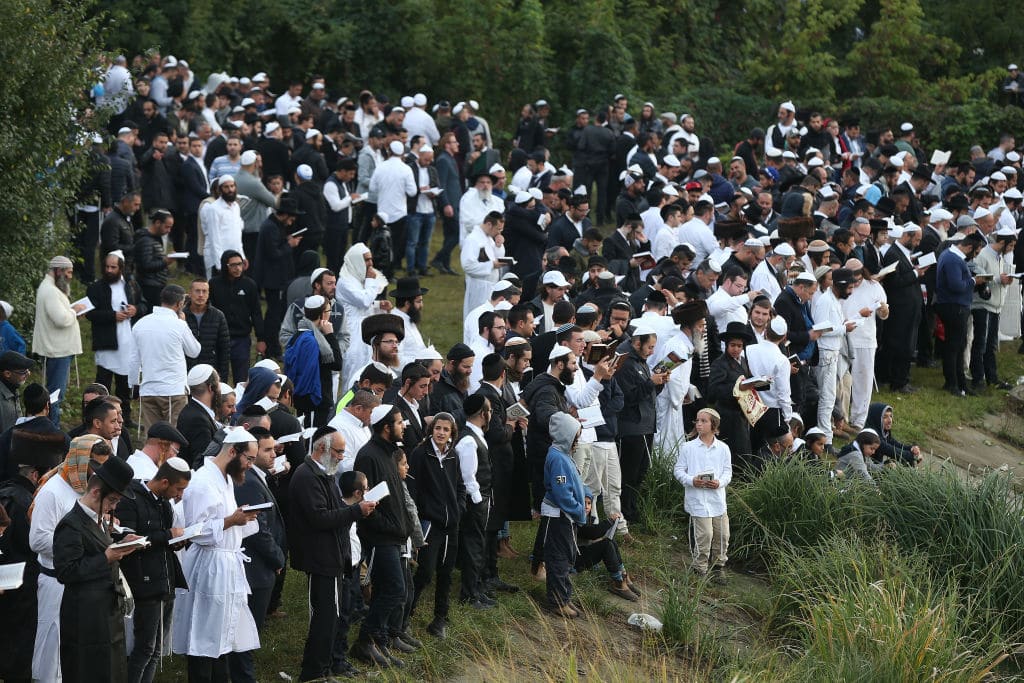
In many communities around the world, it is traditional to dress in white on Yom Kippur. This symbolizes purity and the opportunity to begin the new year with a clean slate.
Breaking the fast
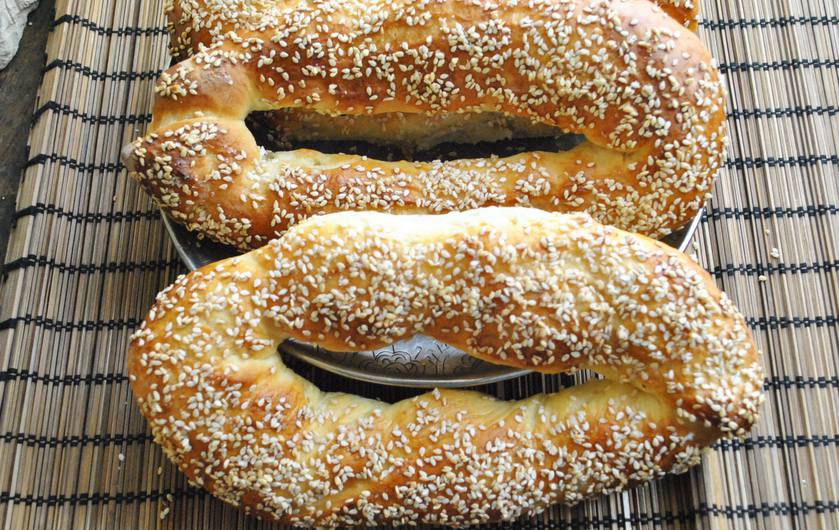
“Break fast” (no, not breakfast) is the meal eaten immediately after Yom Kippur to break the fast.
In many Ashkenazi American homes, it’s common to serve bagels, cream cheese, kugel, fresh fruit and coffee. In Sephardic homes, the menu might include dairy foods, soups and stews, and other dishes that would be served at a lunch or dinner as opposed to brunch. However, each family has their own break fast customs.
Lighting a memorial candle
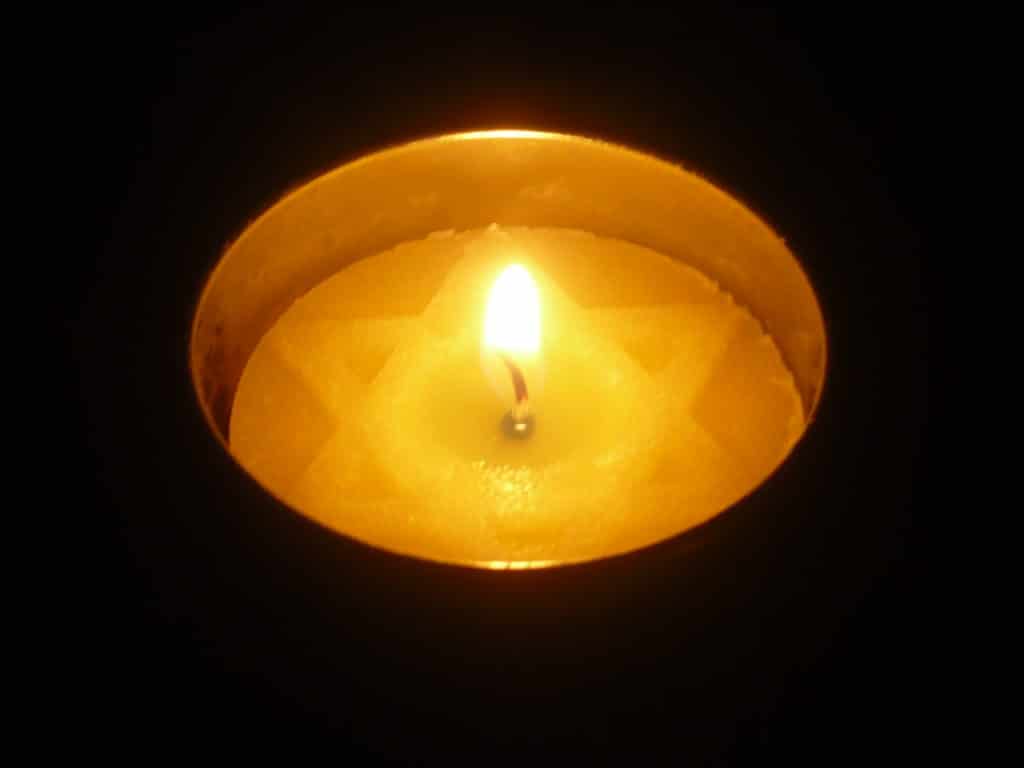
If one’s parent or parents are deceased, a special memorial candle, often called a Yahrzeit candle or “ner neshama” in Hebrew, is lit prior to beginning the fast in their memory and burns for the entire holiday.
Tashlich

Tashlich is a ceremony in which Jews throw pieces of bread into a body of water to symbolize casting away their sins. Before performing Tashlich, it is customary to reflect on the past year as part of the Teshuvah process, in order to “cast away” your wrongdoings.
Verses from the Book of Micah are recited, such as, “He will take us back in love; He will cover up our iniquities, You will cast (tashlich) all our sins into the depths of the sea” (7:19).
Although Tashlich is typically done on the afternoon of the first day of Rosh Hashanah, it can be performed until the end of Sukkot.