
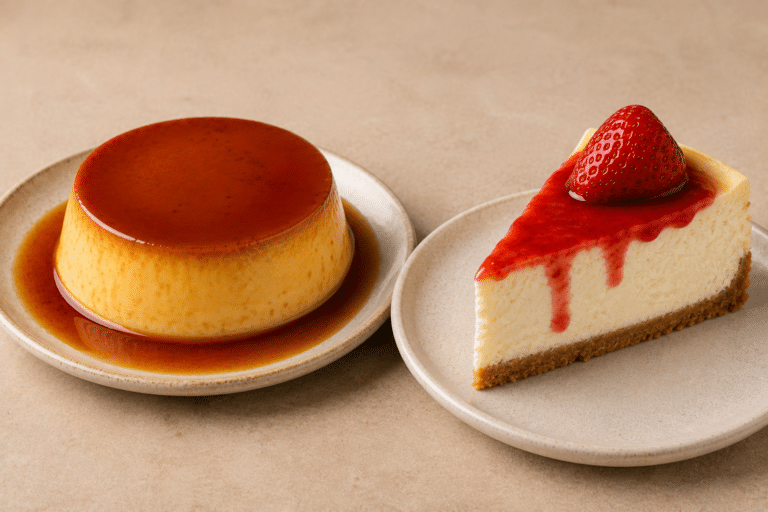
In Israel, Shavuot is the dairy holiday. As the festival approaches, advertisements flood the media, urging shoppers to try this or that luscious cheese recipe. Supermarket dairy aisles overflow with seasonal delicacies and specialty cheeses that seem to appear only at this time of year. The major dairy companies release free recipe booklets filled with glossy photographs designed to make your mouth water. There’s mascarpone, burrata, crème fraîche, stuffed pastas, regional cheeses, and flavored butters, enough to satisfy every dairy-loving Jew.
I’ll be the first to admit that I love dairy foods and look forward to a festive dairy meal myself. Still, I sometimes wonder how healthy the typical cheese-heavy Shavuot menu really is: blintzes, lasagna, ravioli, noodle kugel, and kreplach, with perhaps a leafy salad tucked in at the side as a token gesture toward vegetables.
A cheese overload, apart from being expensive, does not make the holiday more meaningful. In fact, eating dairy on Shavuot is not technically a mitzvah, but rather a beloved and long-standing custom. Even so, the custom has deep historical roots. First embraced by French and Ashkenazic Jewish communities during the 14th century, it reflects traditions and ideas connected to the giving of the Torah at Har Sinai.
Learn more about the Jewish-American origins of New York cheesecake (and other iconic snacks) here
According to tradition, when the Israelites received the Torah, they immediately became obligated to observe its laws. Because the revelation took place on Shabbat, they could neither slaughter animals nor kasher their cooking utensils according to the newly received laws. Instead, they turned to dairy foods, most likely cheese and fermented milk products such as labneh, which they already had prepared in their tents. Eating dairy on Shavuot became a way of commemorating that moment.
Other traditional Shavuot foods connect to the holiday’s agricultural roots and the bringing of the first-fruit offerings to the Temple. These offerings centered around the Seven Species associated with the Land of Israel: wheat, barley, grapes, figs, pomegranates, olives, and dates. The “honey” mentioned in the Torah was traditionally understood not as bee honey, but as the thick, sweet syrup produced from dates. Since only plant-based foods could be brought as first fruits, date honey fit naturally into the ritual.
Israel itself is famously described as “a land flowing with milk and honey,” making dairy-and-honey combinations especially fitting for the holiday. Modern recipes often reinterpret that ancient imagery with a touch of sugar and culinary creativity.
And so we come to cheesecake. This version is light, with a homemade crust that gives it a rustic charm. The flour in the crust can even serve as a symbolic nod to the wheat brought among the first-fruit offerings to the Temple, a lovely detail to mention when serving this delicious cake to family and friends around the Shavuot table.

New York Cheesecake
PrintEquipment
- 3 bowls 1 large, 1 medium, 1 small
- 1 cake pan lined with either baking paper or greased with butter and coated with flour
Ingredients
- 6 eggs
- 9 tbsp sugar
- 1 lb (2 cups) cream cheese
- 1 tsp vanilla extract
- 1 lemon, juiced
- 6 tbsp flour, sifted
Instructions
- Separate the eggs. Keep the whites in the large bowl.
- Put 3 of the yolks in the medium bowl; in the small bowl, the other 3 yolks.
- In the medium bowl, beat the 3 yolks with the 3 Tbsp. sugar and all of the cheese. Mix well till smooth.
- Whip all the egg whites till stiff.
- To the egg whites, add the 6 Tbsp. sugar and whip till the whites make smooth peaks.
- In the following order, add the flour, the lemon juice, the 3 yolks from the small bowl and the vanilla. Mix very well. This is the batter.
- Pour 2/3 of the batter into the baking pan.
- Mix the remaining third of the batter into the cheese mixture. Mix well.
- Pour this new mixture straight into the center of the batter in the pan.
- Bake at 300°F – 150° C for one hour. Turn the oven off, but don’t remove the cake: just open the oven door a crack and let the cake cool inside. Once cooled down, store the cake in the fridge.
Flan is a silky milk custard baked in a water bath and finished with a glossy layer of caramel. Light, delicately vanilla-scented, and pleasantly sweet, it’s a welcome dessert any time of year. Its real moment of drama comes when the flan is inverted onto a serving plate, allowing the amber caramel glaze to cascade over the custard like liquid gold.
The dessert traces its origins back to the ancient Romans, who are believed to have created early custards as a practical way to use up surplus eggs. Centuries later, the Spaniards refined the recipe, transforming the simple mixture of eggs, milk, and honey into the caramel-topped flan recognized today.
Today, using canned evaporated and condensed milk, you can whizz up the custard in the blender.

Shavuot Caramel Flan
PrintEquipment
- 1 medium saucepan
- 1 9- or 8-inch round cake pan The cake pan will sit in a water bath, so it must have a closed bottom. If your pan has a removable bottom, first wrap it tightly in tin foil to prevent water from entering the custard.
- 1 blender
- 1 spatula
- 1 Deep oven tray for water bath
- 1 kettle
Ingredients
For the custard
- 1/2 tsp kosher salt
- 1 14oz can sweetened condensed milk
- 1 12oz can evaporated milk
- 1 tbsp vanilla extract or 1 tsp vanilla paste
For the caramel topping
- 1 cup granulated sugar
- 1/4 cup water
- 1 pinch kosher salt
Instructions
- Preheat the oven to 350° F – 175° C.
- Put all the custard ingredients in the blender and blend, no longer than 30 seconds to avoid froth. Let it settle for a few minutes.
- Have the baking dish ready. You will need to have it at hand immediately after making the caramel.
For caramel topping
- Set the saucepan over medium-low heat. Add the sugar and water. Bring the mixture to a boil. Once boiling, stop stirring. Let it cook untouched for about 8 to 12 minutes. If sugar crystals form on the sides of the pan, brush them down with a pastry brush dipped in water to prevent the caramel from becoming gritty.
- Keep a close eye on the mixture. It will go from clear to a pale golden brown, and eventually reach a deep, rich amber color. Remove the pan from the heat the moment it turns amber. Do not allow it to get darker or go black.
- Carefully and quickly pour the hot caramel into your flan dish (or individual ramekins). Immediately pick up the dish and swirl it so the caramel evenly coats the bottom and slightly up the sides. Be careful! That caramel is hot and sticky.
- The caramel will harden in a minute or two. Let it sit for about 5 minutes to cool down and set completely before you pour the custard mixture onto it.
- Stir the custard lightly to ensure it’s completely mixed. Pour it on top of the solid caramel. Cover with foil tightly. Transfer the flan to the water bath and fill up the water bath with hot water from a kettle.
- Cook for 40 to 45 minutes. It will be firm, but a little jiggly. Remove it from the oven carefully.
- Allow the flan to cool, then chill it in the fridge for at least 4 hours or overnight.
- When ready to serve the flan, run a knife around the inner edge, then turn it upside down it onto a large plate. Give the bottom (now the top) of the pan a couple of smacks to loosen the flan and then lift it. The flan will slide out, covered in caramel.